

If you snore or grind your teeth at night, it’s not just your partner who suffers—over time, if left untreated, you yourself may also experience unpleasant health consequences. Through relatively straightforward treatment steps, our team of doctors will be happy to help you get a restful night’s sleep.
Snoring & Possible Causes
Snoring sounds originate in a snorer’s upper respiratory tract. The exact causes of snoring can vary from person to person: In many cases, snoring is caused by the vibration of the soft palate and uvula—during sleep, the soft palate relaxes and vibrates as air passes through it. It is also possible that the tongue falling back toward the throat is responsible for the snoring. In relatively rare cases, impaired nasal breathing can also cause a person to snore.
Factors that can trigger snoring include, for example, being overweight, heavy alcohol consumption, advancing age, and the use of medications such as sleeping pills or sedatives.
Health Consequences of Snoring
Snoring often impairs the quality of sleep for those affected. Since sleep is often less restorative, patients may suffer from persistent fatigue and exhaustion, for example. If severe snoring persists over a long period of time and goes untreated, it can also affect the cardiovascular system (for example, by leading to high blood pressure).
Teeth Grinding & Possible Causes
Just like snoring, teeth grinding can have various causes. The main possible causes include long-term stress and nervousness. In rarer cases, misaligned teeth and improperly fitted dentures can also cause people to grind their teeth. Factors that can increase the risk of teeth grinding include, among others, the consumption of caffeine or alcohol.
Health Consequences of Teeth Grinding
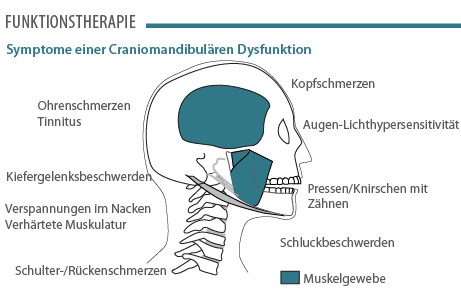
Long-term teeth grinding not only wears down the teeth of those affected—it also frequently overtaxes the temporomandibular joints, which are often affected by signs of wear and tear. Since the masticatory muscles are also subjected to constant strain during grinding, patients often experience jaw, neck, and/or headaches during the day.
Functional Therapy for Snoring
To combat snoring, we rarely recommend surgical interventions. In most cases, functional therapy effectively achieves the desired results: Depending on the cause of your snoring, we create a simple device tailored to the structure of your teeth. Such a device, worn while sleeping, can, for example, position your tongue forward so that it cannot drop back toward the throat and cause snoring. Alternative devices, for instance, widen the throat cavity and slow down the suction created by inhalation—this prevents the soft palate from fluttering and thus prevents snoring.
Functional Therapy for Teeth Grinding
We also achieve the desired treatment goals in most cases when addressing teeth grinding through functional therapy. Depending on the individual cause of the teeth grinding, we recommend either splint therapy or a combined treatment of splints and physical therapy: These splints, also known as anti-grinding splints, are worn at night and protect both the teeth and the temporomandibular joint from excessive strain. In addition, the splints help relax the masticatory muscles. Complementary physical therapy often has a positive effect if your teeth grinding has already caused pain in your head or spine.
If you suffer from nighttime snoring and/or teeth grinding and would like to effectively address these issues, we’d be happy to advise you on suitable treatment options. Please feel free to contact us at the Bellevue Dental Practice in Zurich by phone or via our contact form.